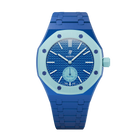
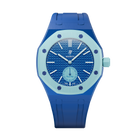
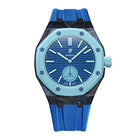
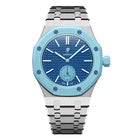
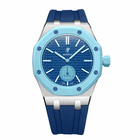
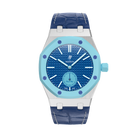
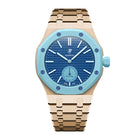
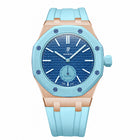
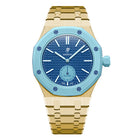
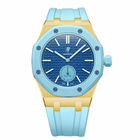
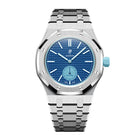
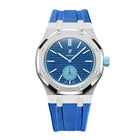
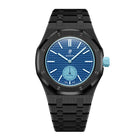
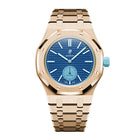
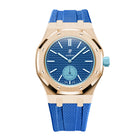
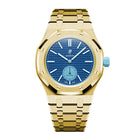
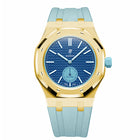
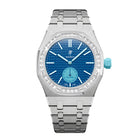
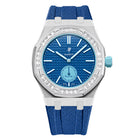
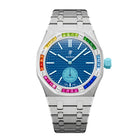
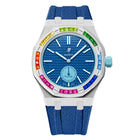

A Royal Pop deserves more than a generic strap workaround. This Royal Pop fitment guide explains how to choose, install, and wear a purpose-built conversion case without treating a collectible bioceramic piece like an ordinary watch head. The goal is simple: secure wristwear fitment, protected surfaces, and a finished look that lets the watch leave the display shelf.
Start With the Right Royal Pop Case
The Royal Pop collection is built around a distinct pocket-watch format, not conventional lugs. That changes the fitment equation. A standard watch strap cannot attach directly to the watch in a clean or secure way, and a universal case can introduce pressure points, poor alignment, or unwanted movement against the body.
A fitted conversion case is designed to hold the Royal Pop within a defined inner profile, then provide the attachment points needed for a wrist strap. It turns the piece into a wearable wristwatch while preserving the visual character that made the collaboration collectible in the first place.
Compatibility should be the first filter, not an afterthought. Confirm that the accessory is specified for the AP x Swatch Royal Pop platform and supports your exact model. A system built for the full eight-watch Royal Pop lineup offers a more reliable starting point than an accessory made for a similarly sized pocket watch. Similar dimensions do not guarantee a proper fit.
A good fit should feel intentional from every angle. The case should sit evenly around the watch, leave the dial and sapphire crystal fully visible, and avoid forcing the bioceramic body into place. If installation requires excessive pressure, stop. Precision accessories should engage with controlled resistance, not brute force.
Inspect the Watch Before Fitment
Before placing the Royal Pop into any case, set up a clean work surface. A microfiber cloth is useful both as a soft landing area and as a barrier against dust, grit, or accidental contact with a hard tabletop. Remove rings, bracelets, or anything that could graze the case or crystal while you work.
Take a moment to inspect the watch itself. Pay attention to the areas that will contact the fitted case, especially the outer body, crown zone, and crystal edge. Any debris caught between the watch and an accessory can become an abrasive point once the two pieces move against each other during wear.
Check four things before installation:
- The bioceramic exterior is clean and dry.
- The sapphire crystal is free of loose dust or grit.
- The crown and controls can move freely.
- The conversion case is clean, correctly oriented, and free from debris.
How to Install a Royal Pop Conversion Case
Fitment is usually straightforward when the case and watch are correctly matched. Still, slow installation is better than fast installation. The Royal Pop is a statement piece, not a component to rush through a workbench process.
1. Identify the top, bottom, and crown side
Start by locating the crown opening or control cutout on the fitted case. Align that side with the controls on the Royal Pop before bringing the two pieces together. This prevents you from rotating the watch inside the case later, which can create unnecessary contact along the edges.
Also check the intended dial orientation. Once worn, the time display should sit upright on the wrist, with the strap attachment points aligned across the wrist rather than running vertically along the arm.
2. Seat the watch evenly
Place the Royal Pop into the case following the accessory’s intended entry direction. Some designs use a front-loading arrangement, while others use a rear section or retaining frame. In either format, support the watch from its solid body rather than pressing on the crystal.
Apply even pressure with clean fingertips. Do not use tools, pry bars, metal implements, or improvised leverage. If a fitted case is correct for the model, it should settle into its retention points without stressing the watch body.
Once seated, look around the perimeter. The gap should appear even, the watch should not rock inside the case, and the crown should remain accessible. A small degree of design clearance may be intentional, especially where a case needs to accommodate material tolerances. Movement that feels loose or produces a rattle is not.
3. Verify access and security
Before attaching a strap, test the crown or controls gently. Nothing should bind, scrape, or require you to angle your fingers awkwardly. Then hold the assembly over the microfiber cloth and turn it through a few orientations. The watch should remain secure within the case.
This is also the moment to inspect the crystal sightline. A conversion case should frame the Royal Pop, not obscure the dial or crowd the sapphire surface. Clear visibility matters for daily use and preserves the display appeal collectors expect from this collaboration.
Choosing the Strap Setup
The conversion case handles retention. The strap determines how the completed watch wears. That distinction matters because an excellent case paired with an overly stiff, narrow, or poorly sized strap can still feel wrong on the wrist.
Choose a strap that matches the case’s lug width and attachment method. Do not force a strap that is slightly too wide between the lugs, and do not use a narrow strap that leaves excessive side-to-side play. The right width keeps the case centered and makes the conversion look integrated rather than improvised.
Material is partly a style decision and partly a wear decision. A supple rubber strap suits active, everyday use and handles casual styling well. Leather can give the Royal Pop a more refined, collector-focused profile, although it is less ideal around frequent moisture. A bracelet conversion adds visual weight and can create a more jewelry-like result, but it also increases the importance of sizing and balance.
For most wrists, the best strap is not necessarily the most dramatic one. The Royal Pop already brings color, shape, and cultural heat. A well-proportioned strap lets the watch remain the focal point while keeping the case stable through normal wrist movement.
Strapmont designs its Royal Pop accessories as a dedicated system, with custom-engineered cases and strap-ready fitment intended for collectors who want to wear the piece without turning it into a compromise.
Fit the Strap to Your Wrist, Not Just the Watch
Once the strap is installed, wear the assembly for a few minutes before deciding the fit is right. The case should sit centered on the top of the wrist with enough room for normal movement. It should not rotate freely to the side, but it should not be cinched so tightly that the edges press into the skin.
A useful rule is to aim for secure contact without compression. If you can slide a fingertip under the strap with modest resistance, you are generally close. The exact setting depends on strap material, wrist shape, and personal preference. Rubber may feel best slightly firmer; leather often settles after several wears; a bracelet needs precise link sizing to avoid either pinch or excessive roll.
Pay attention to case height as well as strap tightness. A conversion case necessarily adds structure around the Royal Pop. If the watch feels top-heavy, a more supportive strap material or a different strap length can improve stability. This is not a defect in every instance. Larger wristwear has a different feel than a slim conventional watch, and the appeal is part of the point.
Protecting the Royal Pop During Daily Wear
A fitted case provides meaningful protection, but it does not make the watch invincible. Bioceramic surfaces and sapphire crystal deserve the same awareness you would give any prized collaboration. Avoid placing the wrist directly against rough stone, uncoated metal hardware, or abrasive work surfaces.
Take the watch off before activities where hard impacts, repeated vibration, chemicals, or heavy moisture are likely. The conversion is made to bring the Royal Pop into regular rotation, not to erase sensible ownership habits. If the accessory gets wet or dusty, remove it when practical, wipe the watch and case with a clean soft cloth, and allow everything to dry before reassembly.
Storage matters too. When the watch is not on the wrist, keep it away from loose keys, tools, and other objects that can rub against the crystal or case. If you change straps often, work slowly and use the correct strap-changing tool for the hardware. The fewer uncontrolled contact points around a collectible watch, the better.
Common Fitment Problems and What They Mean
If the Royal Pop will not seat cleanly, the cause is usually simple: incorrect orientation, debris, a mismatched accessory, or an attempt to install it at an angle. Remove the watch, inspect both surfaces, and begin again. Do not try to force the final millimeter.
If the watch sits loosely after installation, do not rely on a tighter strap to solve it. Strap tension only secures the assembly to your wrist. It does not correct case retention. Recheck compatibility and inspect the retaining structure for damage or obstruction.
If the crown is difficult to reach, confirm that the watch is oriented correctly and that the case is designed for that specific Royal Pop layout. Accessory fitment should preserve everyday usability, including the ability to set and operate the watch without removing it from the case.
The best Royal Pop setup feels composed, not improvised. Take the extra minute to align, inspect, and adjust it properly, then wear the piece where it belongs: on the wrist, in the rotation, and fully part of your collection.