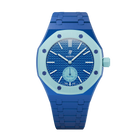
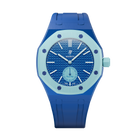
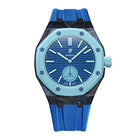
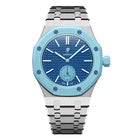
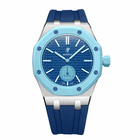
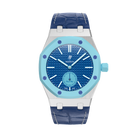
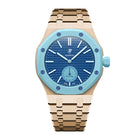
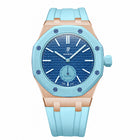
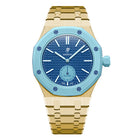
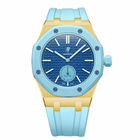
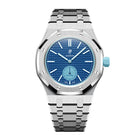
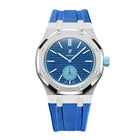
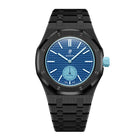
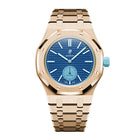
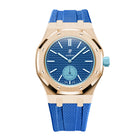
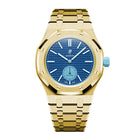
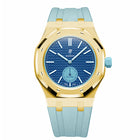
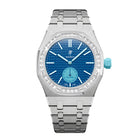
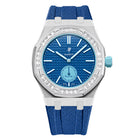
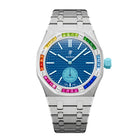
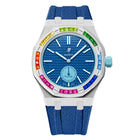

A Royal Pop should not disappear into a drawer just because it began life as a pocket watch. The best top pocketwatch display options protect its bioceramic body and sapphire crystal while giving the piece the visual presence its design deserves. For collectors, the right choice comes down to one question: do you want to admire it, wear it, or keep it ready for both?
A display solution can do more than hold a collectible in place. It can reduce unnecessary handling, prevent contact with abrasive surfaces, and make the watch easier to reach when the occasion calls for it. That matters for all eight Royal Pop models, where color, finish, and collaboration value are part of the appeal.
Top Pocketwatch Display Options That Protect Value
The most effective display is not automatically the most elaborate. A large glass cabinet may look impressive, but it can expose a lightweight bioceramic watch to dust, sunlight, and accidental knocks. Conversely, a basic tray may be protective but leave an exceptional design hidden among other accessories.
For a Royal Pop collector, the strongest options balance visibility with physical support. The case should sit securely without pressure on the crystal, rubbing along the edge, or contact with hard hardware. Materials matter as much as form. Soft-lined contact surfaces, stable bases, and dedicated compartments are more collector-conscious than generic metal watch stands or loose catchall trays.
A fitted wrist case: the active display choice
A custom-engineered fitted case is the most versatile option for owners who want their Royal Pop on display and in regular rotation. By converting the pocket-watch format into wristwear, the watch becomes something you can actually use rather than simply preserve behind glass.
This approach is particularly compelling for a collaboration piece with such a distinctive profile. A properly fitted case frames the bioceramic body, helps shield it from everyday bumps, and creates a clear attachment point for a compatible strap or bracelet conversion. On the wrist, the watch is visible in the way a collectible watch should be visible: naturally, confidently, and without a separate display ritual.
The trade-off is simple. A wrist case is not a museum-style presentation solution. If your goal is a permanent shelf display, a stand or enclosed box may suit your setup better. But for collectors who bought the Royal Pop because they want to enjoy its design beyond occasional handling, a fitted case delivers the highest level of daily utility.
Strapmont’s purpose-built accessories are designed around that exact use case, with model-specific fit intended to complement the Royal Pop’s bioceramic construction rather than force it into a generic watch format.
Individual watch stands: best for a focused collection
A single watch stand works well when the Royal Pop is part of a tightly edited display - perhaps beside one or two other design-driven pieces, a framed print, or a desk object. It gives the watch its own footprint and makes the silhouette easy to appreciate from across a room.
Choose a stand with a broad, weighted base and a soft, non-abrasive cradle. The contact point should support the case securely without pressing against the crown area, crystal, or exposed edges. Avoid hard acrylic hooks, unfinished wood, and thin metal uprights that can leave pressure marks or encourage the watch to slide.
Stands are best for a controlled environment. A home office, dressing room, or closed display cabinet is preferable to an open shelf near a window. Direct sunlight can be hard on colors over long periods, and a high-traffic surface increases the chance of an accidental fall.
Glass-top display boxes: best for multiple Royal Pop models
A glass-top watch box gives a larger collection a clean, deliberate presentation. It is a strong option for collectors who own several Royal Pop colorways and want to see them at a glance without leaving each piece fully exposed to dust.
Look for individual, soft-lined compartments with enough depth for the watch to rest without the crystal touching the lid. A shallow box can turn every close into a potential point of contact, especially if the interior pillow is too tall. For pocket-watch-format pieces, flat pads or shaped recesses are often safer than standard watch pillows built for conventional round cases and bracelets.
The visual benefit is substantial. Grouping several models together emphasizes the collection concept, while individual compartments prevent one piece from rubbing against another. The limitation is access: a box makes viewing easy, but it does not make the watch wearable in seconds unless it has already been converted with a fitted case and strap.
Valet trays and display pads: best for rotation
A lined valet tray is ideal for the collector who changes watches, straps, and accessories frequently. It is less formal than a glass box and more flexible than a fixed stand. Place the Royal Pop in the tray while changing straps, setting up an outfit, or winding down at the end of the day.
The key is restraint. A tray should not become a dumping ground for keys, rings, coins, or metal bracelets. Even a soft-lined tray cannot protect a sapphire crystal or bioceramic case from loose objects shifting against it. Give the Royal Pop its own section, preferably one with a padded insert or divider.
This option works especially well alongside a wrist-ready conversion. Your watch has a designated resting place between wears, rather than ending up on a nightstand or countertop where scratches and knocks tend to happen.
How to Choose a Display for Your Royal Pop
Start with how often you intend to wear the piece. If it will be part of your weekly rotation, prioritize a fitted protective case and a low-risk resting spot, such as a lined tray or enclosed box. The display should support quick access, not create friction every time you want to put the watch on.
If your Royal Pop is primarily a display collectible, an individual stand or glass-top box makes more sense. A single stand gives one special model a gallery-like presence. A compartmentalized box gives a full set a more archival feel and offers better protection from dust.
Next, consider your environment. Open shelves and desks are visually appealing, but they are not always practical around children, pets, sunlight, or frequent movement. Enclosed display boxes are safer in active homes. A stand may be perfectly suitable in a private office with controlled lighting and a stable surface.
Finally, think about compatibility. Generic watch displays are made for standard wristwatches, not a Royal Pop pocket watch with its own proportions and materials. The safest setup avoids excessive tension, hard contact points, and improvised adapters. Precision fit is not a luxury detail here. It is what keeps a display solution from becoming a source of wear.
Display Details That Collectors Often Miss
Light is the first detail. Natural light can look excellent for a quick photo, but permanent sun exposure is a poor display strategy. Keep the watch away from windows or use a cabinet that limits direct light. Strong heat and fluctuating humidity are also worth avoiding, particularly for storage over long periods.
The second detail is cleaning. Dust on a display surface can become abrasive when a watch is moved across it. Use a clean, soft microfiber cloth to wipe the area before placing the watch down, and avoid household cleaners that leave residue on glass, acrylic, or lining materials.
The third is orientation. If the watch rests flat, make sure the crystal is not the contact point. If it sits upright, confirm that it cannot tip forward. A display should feel stable enough that you do not need to steady the watch every time someone walks past the shelf.
Make the Display Work Beyond the Shelf
The best display strategy gives a collectible more life, not less. A Royal Pop can sit in a glass-top box as part of a curated collection, rest in a protected tray between wears, or take on a new role as a wristwatch through a fitted case and bracelet or strap conversion.
Choose the format that matches the way you collect. If the watch is meant to be seen every day, build a display around access and protection, then give yourself a reason to take it out of the case.